Sometimes the beginning doesn’t look like a mission.
Sometimes it looks like survival.
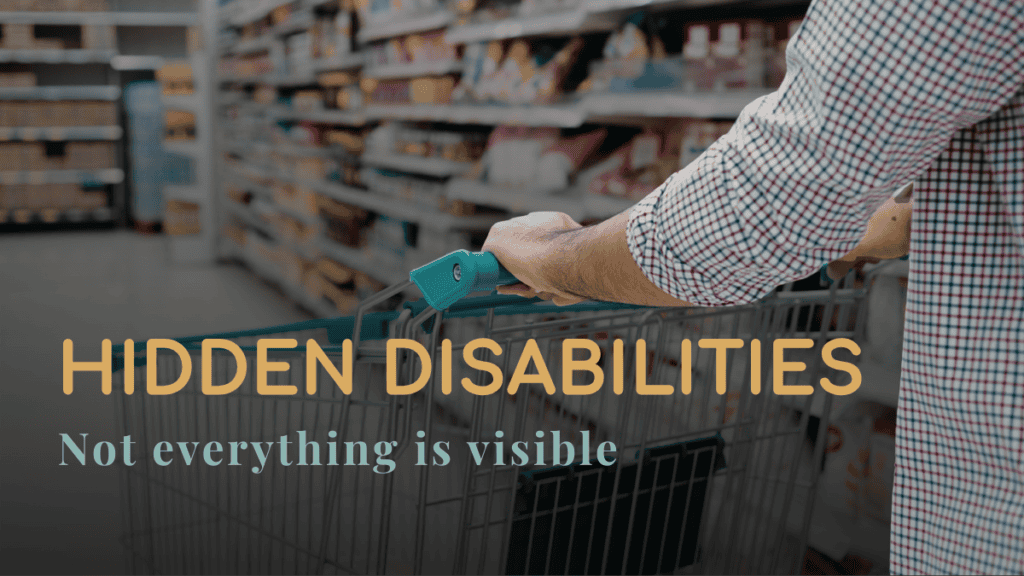
New to hidden disabilities? Start Here
Most people think they know what a disability looks like.
They picture something visible.
Something obvious.
Something they can recognize without being told.
But that’s only part of the story.
A hidden disability is a condition that isn’t immediately visible to others—
but still affects daily life in real, significant ways.
And the truth is…
They’re far more common than most people realize.
From the outside, someone may look completely “fine.”But internally, they may be navigating:
And because it’s not visible…
It’s often misunderstood.
People may say things like:
Not out of cruelty.
But out of a lack of understanding.
And that lack of understanding creates a different kind of challenge.
Not just managing the condition itself—
But constantly explaining it.
Justifying it.
Proving it’s real.
That’s where awareness matters.
More patience.
More empathy.
And more thoughtful support.
And sometimes, that support becomes something tangible.


Hidden Disabilities
Guide
A simple overview of common hidden disabilities and how they may affect daily life.

What to Say
& Not to Say
A practical guide for supporting someone without minimizing, fixing, or dismissing their experience.
How to Support Someone with a Hidden Disability
A helpful starting point for friends, family members, churches, workplaces, and community groups.
Service Dog
Education Resources
Clear explanations about service dogs, access, etiquette, and support.
For some, it looks like accommodations.
For others, it looks like community.
And for many…
It looks like a service dog.
That’s part of what Access Unleashed is built around.
Creating understanding.
Providing support.
And helping people move through life with more confidence and freedom—
even when their challenges aren’t immediately visible.
Because access shouldn’t depend on whether something can be seen.
Hidden disabilities affect millions of people.
And yet, many go unsupported—not because help doesn’t exist,
but because understanding doesn’t.
The more we learn,
the more we listen,
the more we choose to see what isn’t obvious…
The more we create a world where people don’t have to fight to be believed.
And that’s where real change begins.
I Need Support
Find resources, next steps, and encouragement for navigating life with a hidden disability.
Get SupportFollow The Journey
Read Barley’s story and follow the service dog journey that helped inspire Access Unleashed.
Read the StoryMake A Difference
Help us build education, resources, and support for people with hidden disabilities.
Donate NowKeep exploring the stories that are changing what people see
—and what they understand.


Why Your Story Matters: Turning Lived Experience Into Advocacy
Your lived experience has the power to create understanding and inspire change. Learn how sharing your story can help you advocate for yourself, connect with others, and make hidden disabilities more visible.

7 Ways Your Organization Can Be More Welcoming to People With Hidden Disabilities
Small changes can help businesses, schools, churches, and community organizations create more welcoming spaces.
6 Responses